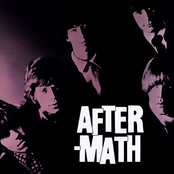
Tracklist 14 tracks
#
Title
Plays
1.
Mother's Little Helper
-
2.
Stupid Girl
-
3.
Lady Jane
-
4.
Under My Thumb
-
5.
Doncha Bother Me
-
6.
Going Home
-
7.
Flight 505
-
8.
High and Dry
-
9.
Out of Time
-
10.
It's Not Easy
-
11.
I Am Waiting
-
12.
Take It or Leave It
-
13.
Think
-
14.
What To Do
-
📖 About this album
YOUR PLAYS
5 scrobbles
TOTAL PLAYS
19103135 scrobbles
LISTENERS
1798669
"Aftermath" is the fourth studio album by the English rock band the Rolling Stones. The album was recorded at RCA Studios in California in December 1965 and March 1966, during breaks in the band's international tours. It was released in the United Kingdom on 15 April 1966 by Decca Records and in the United States in late June by London Records. "Aftermath" is the band's fourth British and sixth American studio album and follows a series of international hit singles that increased the band's fame and commercial success. "Aftermath" is regarded as an artistic breakthrough for the Rolling Stones, being Read more on Last.fm.
Read more
"Aftermath" is the fourth studio album by the English rock band the Rolling Stones. The album was recorded at RCA Studios in California in December 1965 and March 1966, during breaks in the band's international tours. It was released in the United Kingdom on 15 April 1966 by Decca Records and in the United States in late June by London Records. "Aftermath" is the band's fourth British and sixth American studio album and follows a series of international hit singles that increased the band's fame and commercial success.
"Aftermath" is regarded as an artistic breakthrough for the Rolling Stones, being their first album composed entirely of original material credited to Mick Jagger and Keith Richards. Brian Jones contributed extensively, experimenting with instruments not typically used in popular music, including the sitar, Appalachian dulcimer, Japanese koto, and marimbas, alongside guitar and harmonica. The album incorporates a wide range of musical styles and chords beyond the band’s previous Chicago blues and R&B influences, drawing on pop, folk, country, psychedelia, Baroque, and Middle Eastern music. Lyrically, Jagger and Richards explored themes of love, sex, desire, power, dominance, hate, obsession, modern society, and rock stardom, with women appearing as prominent characters in dark, sarcastic, and provocative narratives.
The release was delayed due to controversy over the original proposed title, "Could You Walk on the Water?", which London Records considered potentially offensive to Christian audiences in the United States. The band ultimately chose the title "Aftermath," and each edition featured different cover photographs. The UK version runs for over 52 minutes, making it the longest popular music LP released up to that time. The American edition had a shorter track listing, replacing four UK songs with the single "Paint It Black" to meet industry preferences for shorter albums.
Commercially, "Aftermath" was successful in both the UK and the US, topping the British albums chart for eight consecutive weeks and later achieving platinum certification from the Recording Industry Association of America. Considered an inaugural album-era release, it rivalled the impact of the Beatles' "Rubber Soul" (1965) and reflected the youth culture and values of 1960s Swinging London. The album attracted new audiences, received critical acclaim, and reinforced the band's rebellious rock image. Its subversive music and darker lyrical themes influenced glam rock and British punk rock in the 1970s. "Aftermath" is widely regarded as the most significant of the Stones' early albums and is frequently cited as their first classic release. Read more on Last.fm. User-contributed text is available under the Creative Commons By-SA License; additional terms may apply.
classic rock
60s
rock
the rolling stones
british
📝 About
-
🔗 Explore This Album
Rate Your Music
AllMusic
Last.fm
Discogs
MusicBrainz
Wikipedia
Google Reviews
YouTube
Bandcamp
SoundCloud
DeepSeek Chat
Links open in a new tab. Searches use the artist and album name from the current track. DeepSeek Chat opens the main chat – you can paste the album name there.